
Cement Standards and Their Role in Construction Safety
17.03.2026
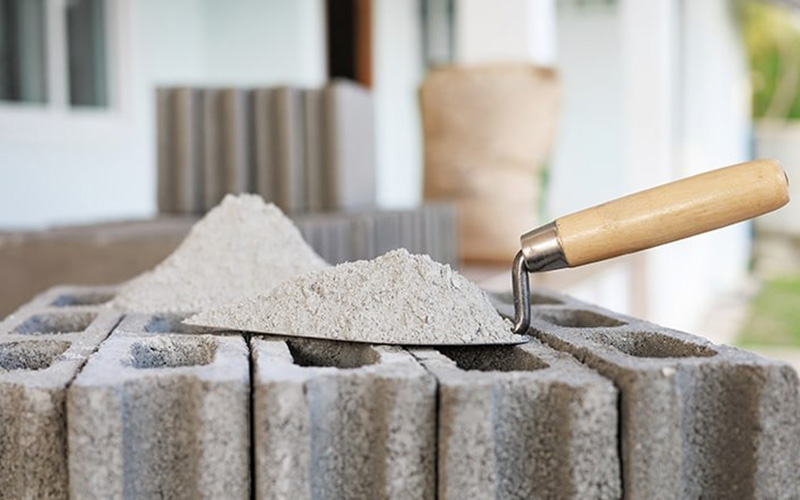
Construction safety is one of the most critical priorities in the building industry, and it begins with the materials used. Among these materials, cement plays a foundational role in ensuring structural integrity and long-term durability. However, the safety and performance of cement are not left to chance. They are governed by established standards that define quality, consistency, and reliability. These cement standards serve as a benchmark to ensure that structures are built on a solid and dependable foundation.
In modern construction, adhering to cement standards is essential for minimizing risks, preventing structural failures, and ensuring compliance with engineering requirements. These standards provide clear guidelines for manufacturing, testing, and application, making them a crucial component of construction safety. In this article, we will explore what cement standards are, why they matter, and how they contribute to safer construction practices.
What Are Cement Standards?
Cement standards are a set of technical specifications that define the required properties, performance, and testing methods for cement used in construction. These standards are developed by international and national organizations to ensure consistency and reliability in cement production. High-quality cement must meet these standards to be considered suitable for structural applications.
Standards cover various aspects such as chemical composition, fineness, setting time, strength development, and durability. By following these guidelines, manufacturers can produce cement that performs predictably under different conditions.
Ensuring Consistent Quality
One of the primary roles of cement standards is to ensure consistent quality across different batches and suppliers. Consistency is essential for achieving uniform performance in concrete structures, especially in large-scale projects where materials are used in significant quantities.
Without standardized quality requirements, variations in cement properties could lead to unpredictable behavior in concrete. This inconsistency can compromise structural safety and increase the risk of defects.
Enhancing Structural Strength and Reliability
Cement standards define minimum strength requirements that must be met for different types of cement. These requirements ensure that the concrete produced can safely تحمل design loads and maintain structural stability.
By using cement that complies with recognized standards, engineers can confidently design structures knowing that the material will perform as expected. This reliability is crucial for preventing structural failures.
Supporting Durability and Longevity
Durability is a key factor in construction safety, and cement standards play an important role in ensuring long-term performance. Standards include requirements for مقاومت to environmental factors such as moisture, chemical exposure, and temperature changes.
Using cement that meets these durability criteria helps protect structures from deterioration. This reduces the likelihood of damage over time and ensures that buildings remain safe for occupants.
Improving Crack Resistance and Structural Integrity
Cracks can significantly weaken a structure and compromise safety. Cement standards address properties such as shrinkage, fineness, and setting time, which influence crack formation. By controlling these factors, standards help improve crack resistance.
Concrete made with standardized cement is less likely to develop cracks under normal conditions. This enhances structural integrity and reduces maintenance requirements.
Ensuring Proper Setting and Workability
Proper setting time and workability are essential for achieving high-quality concrete. Cement standards specify acceptable ranges for these properties, ensuring that the material can be properly mixed, placed, and compacted.
When cement meets these requirements, it allows construction teams to achieve uniform results. This reduces the risk of defects such as air pockets and कमजोर zones that can affect safety.
Compliance with International and Local Regulations
Cement standards are often aligned with building codes and regulations, making them a critical part of legal compliance in construction projects. Organizations such as ASTM, EN, and other regulatory bodies establish guidelines that must be followed.
Using non-compliant cement can lead to legal issues, project delays, and safety risks. Adhering to standards ensures that projects meet all regulatory requirements and maintain high safety levels.
Facilitating Quality Control and Testing
Standards provide a framework for testing and quality control, allowing manufacturers and construction teams to verify cement performance. Tests such as compressive strength, fineness, and soundness are conducted according to standardized methods.
This systematic approach ensures that any issues are identified early and addressed before they impact the structure. Quality control based on standards is essential for maintaining safety throughout the project lifecycle.
Reducing Construction Risks
One of the most significant benefits of cement standards is risk reduction. By ensuring that cement meets specific performance criteria, standards minimize the chances of structural failure and material defects.
This not only improves safety but also enhances confidence among project stakeholders. Reliable materials contribute to smoother project execution and better outcomes.
Promoting Sustainable Construction Practices
Modern cement standards also consider environmental impact and sustainability. Many standards encourage the use of blended cements and efficient production methods that reduce carbon emissions and resource consumption.
By following these standards, construction projects can achieve both safety and sustainability goals. This is increasingly important in today’s environmentally conscious industry.
Conclusion
Cement standards play a vital role in ensuring construction safety by defining the quality, performance, and reliability of one of the most important building materials. From strength and durability to workability and compliance, these standards provide a comprehensive framework for safe construction practices.
By adhering to established cement standards, engineers and builders can minimize risks, improve structural performance, and deliver long-lasting, safe structures. Prioritizing standardized materials is a fundamental step toward achieving excellence in modern construction.