
The Effect of Cement Strength on Reinforced Concrete Behavior
24.03.2026
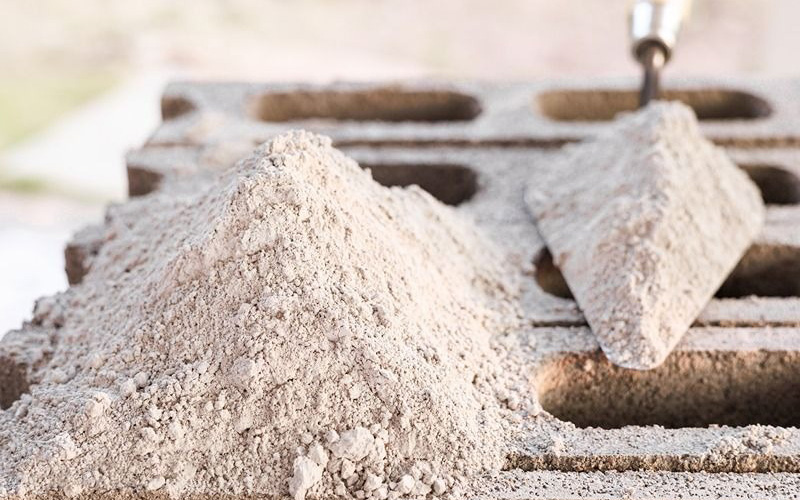
Reinforced concrete is one of the most widely used construction materials due to its ability to combine the compressive strength of concrete with the tensile strength of steel reinforcement. The performance of reinforced concrete structures depends heavily on the properties of the concrete matrix, and at the core of this matrix lies cement. Cement strength plays a crucial role in determining how reinforced concrete behaves under different loading and environmental conditions.
Understanding the effect of cement strength on reinforced concrete behavior is essential for engineers, contractors, and project managers. From load-bearing capacity to crack control and durability, cement strength influences every stage of a structure’s lifecycle. Selecting the appropriate cement ensures that reinforced concrete performs reliably and safely over time.
Contribution to Compressive Strength
Cement strength directly impacts the compressive strength of concrete, which is the primary load-bearing mechanism in reinforced concrete structures. Stronger cement supports higher compressive capacity, allowing concrete to resist heavy loads without failure.
When cement strength is insufficient, the concrete matrix becomes weak, limiting the structure’s ability to carry loads. Reliable cement ensures that reinforced concrete achieves the strength required for safe structural performance.
Interaction Between Concrete and Reinforcement
The effectiveness of reinforced concrete depends on the bond between concrete and steel reinforcement. Cement strength influences the density and quality of the concrete matrix surrounding the reinforcement.
High-strength cement creates a strong bond, allowing efficient transfer of forces between concrete and steel. This interaction ensures that both materials work together to resist compressive and tensile stresses.
Influence on Crack Formation and Control
Crack control is essential in reinforced concrete structures. Cement strength affects the concrete’s ability to resist tensile stresses and limit crack development under load.
Stronger cement contributes to improved crack resistance, reducing the size and frequency of cracks. This helps maintain structural integrity and prevents the ingress of moisture and harmful substances.
Impact on Load Distribution
Uniform load distribution is critical for reinforced concrete behavior. Cement strength ensures that concrete performs consistently across structural elements, supporting even load transfer.
Variations in cement strength can lead to uneven stress distribution, creating weak zones that may fail under load. Consistent cement performance helps maintain balanced structural behavior.
Early-Age Performance and Construction Stability
Early-age strength development is important for maintaining stability during construction. Cement with adequate early strength allows safe removal of formwork and application of loads.
Insufficient early strength can lead to deformation or damage during construction phases. Proper cement selection ensures that reinforced concrete remains stable from the beginning.
Long-Term Durability and Structural Behavior
Cement strength influences long-term durability, which is closely linked to reinforced concrete behavior. Strong, dense concrete resists environmental factors such as moisture, chemicals, and temperature changes.
Durable concrete maintains its performance over time, ensuring that reinforcement remains protected and structural capacity is preserved.
Resistance to Reinforcement Corrosion
One of the key roles of concrete is to protect steel reinforcement from corrosion. Cement strength contributes to low permeability, limiting the penetration of water and oxygen.
When cement strength is high, the protective barrier around reinforcement is more effective. This reduces the risk of corrosion, which can weaken the structure and lead to failure.
Effect on Deformation and Creep
Reinforced concrete structures are subject to long-term deformation due to sustained loads. Cement strength affects creep behavior, which determines how concrete deforms over time.
High-strength cement helps reduce excessive deformation, maintaining structural alignment and stability. This is especially important in high-rise buildings and long-span structures.
Performance Under Dynamic Loads
Reinforced concrete structures often experience dynamic loads such as traffic, wind, or machinery vibrations. Cement strength influences how concrete responds to these repeated stresses.
Concrete made with strong cement can withstand dynamic loading without significant fatigue or deterioration. This ensures long-term reliability in demanding applications.
Compatibility With Structural Design Requirements
Structural design calculations are based on specific material properties, including concrete strength. Cement strength must align with these requirements to ensure accurate performance.
Using cement that meets design specifications allows engineers to predict structural behavior with confidence. This alignment is essential for achieving safe and efficient designs.
Lifecycle Performance and Maintenance
Structures built with appropriate cement strength require less maintenance over time. Reduced cracking, improved durability, and stable performance contribute to lower repair needs.
Investing in the right cement strength enhances lifecycle value and ensures that reinforced concrete structures remain functional and safe for decades.
Conclusion: Cement Strength as a Key Factor in Reinforced Concrete Behavior
Cement strength plays a fundamental role in shaping the behavior of reinforced concrete. It influences compressive capacity, bonding with reinforcement, crack control, and long-term durability.
By selecting cement with appropriate strength characteristics and ensuring consistent quality, construction professionals can achieve reliable and high-performing reinforced concrete structures. Cement strength is not just a parameter—it is a cornerstone of structural behavior and engineering success.