
The Relationship Between Cement Strength and Concrete Integrity
07.04.2026
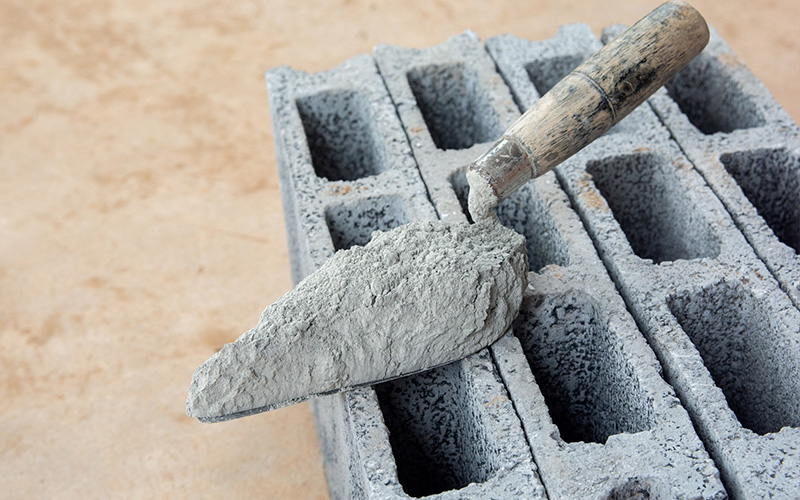
Concrete integrity is a fundamental requirement in construction, referring to the ability of concrete to remain strong, cohesive, and durable throughout its service life. It ensures that structures can safely carry loads, resist environmental exposure, and maintain their intended performance over time. At the core of concrete integrity lies cement, the primary binding material that holds all components together. The strength of cement plays a decisive role in determining how well concrete performs under both short-term and long-term conditions.
The relationship between cement strength and concrete integrity is direct and significant. Strong cement contributes to a dense, well-bonded concrete matrix, while weak or inconsistent cement can lead to structural weaknesses, cracking, and premature deterioration. Understanding this relationship is essential for engineers and contractors aiming to achieve safe and durable construction outcomes.
Contribution to Compressive Strength
Compressive strength is the most important property of concrete when it comes to load-bearing performance. Cement strength directly influences how much load concrete can withstand without failure.
High-quality cement ensures that concrete achieves and maintains the required strength levels. This is essential for preserving structural integrity under various loading conditions.
Bonding and Cohesion Within Concrete
Cement acts as the glue that binds aggregates together. The strength of this bond determines how cohesive the concrete matrix will be.
Strong cement creates a uniform and stable structure, ensuring that all components work together effectively. Weak bonding can lead to internal separation and reduced integrity.
Resistance to Cracking and Structural Weakness
Cracking is one of the main threats to concrete integrity. Cement strength influences tensile resistance and shrinkage behavior, both of which affect crack formation.
Higher cement strength helps reduce cracking by supporting better stress distribution. This preserves the continuity and durability of the concrete.
Influence on Durability and Longevity
Concrete integrity is closely linked to durability. Cement strength affects how well concrete resists environmental factors such as moisture, chemicals, and temperature changes.
Durable concrete maintains its properties over time, ensuring that the structure remains safe and functional. Poor cement strength accelerates deterioration and reduces lifespan.
Control of Permeability and Internal Protection
Permeability determines how easily harmful substances can enter concrete. Cement strength contributes to the density of the concrete matrix, influencing permeability.
Low permeability protects reinforcement and internal components from damage. This is essential for maintaining long-term integrity.
Interaction With Reinforcement
In reinforced concrete, the bond between cement paste and steel reinforcement is critical for structural performance. Cement strength affects this interaction.
Strong bonding ensures effective load transfer and prevents slippage between materials. This enhances the overall integrity of the structure.
Consistency and Uniform Performance
Concrete integrity requires consistent performance across all structural elements. Cement strength must remain uniform across batches to achieve this consistency.
Variations in cement strength can create weak zones, compromising the integrity of the structure. Consistent quality ensures reliable performance.
Resistance to Deformation and Creep
Long-term loads can cause deformation in concrete structures. Cement strength influences creep behavior, which affects how concrete responds to sustained stress.
Higher cement strength reduces excessive deformation, helping maintain structural alignment and integrity over time.
Performance Under Dynamic Loads
Concrete structures often experience dynamic forces such as traffic, wind, or machinery vibrations. Cement strength determines how well concrete can withstand these conditions.
Strong cement ensures that concrete maintains its properties under repeated stress, preserving structural integrity.
Reduction of Construction Defects
Material-related defects can compromise concrete integrity. Poor cement strength may lead to issues such as low bonding, uneven strength, or surface defects.
Using high-quality cement reduces the likelihood of such defects, ensuring that concrete performs as intended.
Lifecycle Performance and Maintenance
Concrete integrity affects maintenance needs and lifecycle costs. Structures built with strong cement require fewer repairs and maintain performance over time.
This reduces operational costs and enhances the long-term value of the structure.
Conclusion: Cement Strength as a Key to Concrete Integrity
The relationship between cement strength and concrete integrity is fundamental to construction success. Cement strength influences bonding, durability, crack resistance, and overall performance.
By selecting cement with appropriate strength characteristics and ensuring consistent quality, construction professionals can achieve durable and reliable concrete structures. Cement strength is not just a property—it is a cornerstone of concrete integrity and long-term structural success.