
The Role of Cement in Reducing Concrete Shrinkage Cracks
16.12.2025
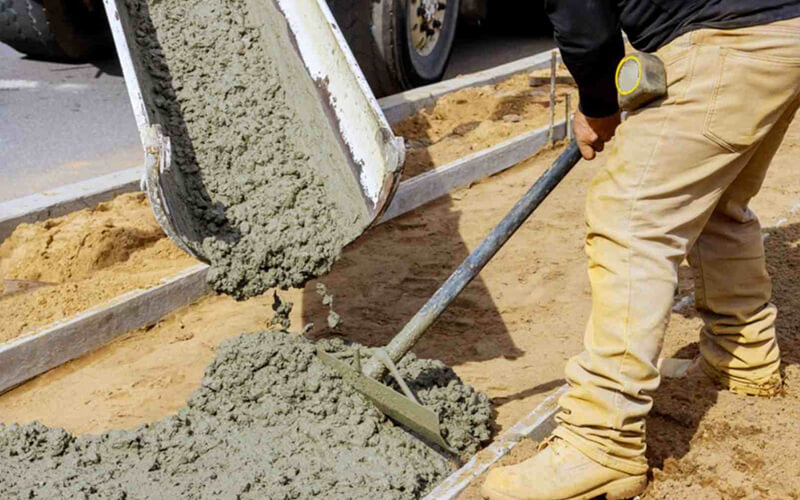
Concrete shrinkage cracks are among the most common issues encountered in construction projects, affecting both appearance and long-term durability. While shrinkage is a natural characteristic of concrete as it loses moisture and undergoes hydration, the extent and impact of cracking depend heavily on material choices and construction practices. Cement, as the primary binding component of concrete, plays a central role in controlling shrinkage behavior and minimizing crack formation.
Understanding how cement influences shrinkage allows contractors, engineers, and project managers to design mixes and construction processes that reduce cracking risks. When cement is selected and used correctly, it supports stable hydration, controlled volume change, and improved crack resistance, ultimately enhancing the performance and lifespan of concrete structures.
Understanding Concrete Shrinkage and Cracking
Concrete shrinkage occurs primarily due to moisture loss and chemical reactions during hydration. As water evaporates from fresh or hardened concrete, internal volume reduction creates tensile stresses. When these stresses exceed the concrete’s tensile strength, cracks begin to form.
Shrinkage cracks may appear at early ages or develop gradually over time. Although some cracks may seem minor initially, they often become pathways for moisture and chemicals, leading to long-term durability problems if not properly controlled.
Cement Hydration and Volume Stability
Cement hydration is the chemical process that transforms cement and water into hardened concrete. The rate and uniformity of this process have a direct impact on volume stability. Well-controlled hydration helps distribute internal stresses more evenly, reducing the likelihood of cracking.
Cement with consistent composition and predictable hydration behavior supports smoother strength development. This stability allows concrete to accommodate internal volume changes more effectively, lowering the risk of shrinkage-related cracking.
Influence of Cement Content on Shrinkage
Cement content is a critical factor in shrinkage control. Excessive cement content increases paste volume, which is more prone to shrinkage than aggregates. Over-cemented mixes often experience higher drying shrinkage, leading to increased cracking potential.
Optimized cement content, on the other hand, provides sufficient strength without unnecessary paste volume. Balanced mix designs help reduce internal stresses and contribute to improved crack resistance over time.
Water Demand and Cement Characteristics
The amount of water required for proper hydration is closely linked to cement properties such as fineness and composition. Cement that demands excessive water can increase shrinkage by creating a higher water-to-cement ratio.
High-quality cement supports efficient hydration with controlled water demand. Lower water requirements reduce moisture loss during drying, which directly limits shrinkage and the formation of cracks.
Early-Age Shrinkage and Cement Behavior
Early-age shrinkage occurs shortly after placement, often before concrete has developed sufficient tensile strength. Cement behavior during this critical period is crucial for crack prevention.
Cement with predictable setting characteristics allows contractors to manage finishing and curing operations more effectively. Proper timing reduces early moisture loss and helps concrete develop strength before shrinkage stresses become critical.
Compatibility Between Cement and Curing Practices
Cement and curing practices work together to control shrinkage. Even the best cement cannot prevent cracking if curing is inadequate. Cement that hydrates uniformly responds well to consistent curing conditions, allowing proper strength development.
Maintaining moisture during early curing supports full hydration and limits rapid drying. This cooperation between cement properties and curing methods significantly reduces shrinkage cracking in slabs, walls, and other exposed elements.
Role of Cement in Long-Term Shrinkage Control
Long-term shrinkage develops gradually as concrete continues to lose moisture over months or even years. Cement composition influences how concrete responds to these long-term volume changes.
Dense cement paste with stable microstructure reduces internal movement and helps concrete adapt to slow moisture loss. This stability lowers the risk of delayed cracking and improves long-term structural performance.
Cement Quality and Consistency
Consistency in cement quality is essential for predictable shrinkage behavior. Variations in cement composition can lead to uneven hydration and localized stress concentrations within the concrete.
Using cement from reliable sources ensures uniform performance across different pours and construction phases. Consistent cement quality simplifies mix control and supports effective shrinkage management throughout the project.
Interaction Between Cement and Aggregates
Cement works in combination with aggregates to form concrete. Proper interaction between these components helps restrain shrinkage by reducing paste volume and improving internal stability.
Well-balanced cement and aggregate proportions create a composite material where aggregates limit excessive movement of the cement paste. This interaction is key to minimizing shrinkage cracks, especially in large surface areas.
Impact on Structural and Aesthetic Performance
Shrinkage cracks affect more than just appearance. They can compromise durability by allowing moisture and aggressive agents to penetrate concrete. Cement’s role in shrinkage control therefore directly influences structural safety and longevity.
Reduced cracking improves both structural performance and visual quality. Buildings with well-controlled shrinkage maintain cleaner surfaces, fewer repairs, and better long-term value.
Practical Benefits for Contractors and Project Owners
Effective shrinkage control through proper cement use reduces repair costs and construction delays. Fewer cracks mean less remedial work, improved client satisfaction, and stronger project outcomes.
For contractors, understanding the role of cement in shrinkage management enhances construction quality and reputation. For owners, it delivers structures that perform reliably with lower maintenance requirements.
Conclusion: Cement as a Key Tool in Crack Prevention
Cement plays a fundamental role in reducing concrete shrinkage cracks by influencing hydration behavior, water demand, and volume stability. When selected and used correctly, cement supports controlled shrinkage and improved crack resistance.
By combining quality cement, optimized mix design, and proper curing practices, construction professionals can significantly reduce shrinkage-related defects. Cement is not just a binder—it is a powerful tool for delivering durable, crack-resistant concrete that stands the test of time.