
The Role of Cement Quality in Structural Design Reliability
10.03.2026
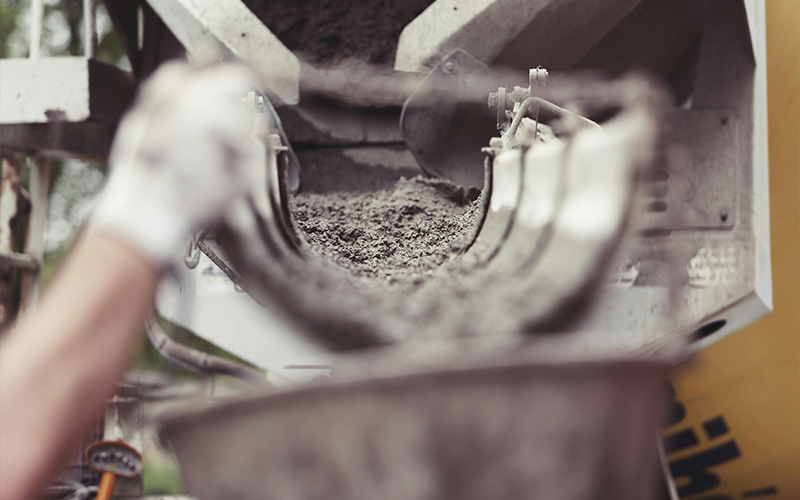
Introduction: Why Cement Quality Matters in Structural Design
Structural design reliability is one of the most critical concerns in modern engineering. Buildings, bridges, and infrastructure systems must remain stable and safe while carrying heavy loads and enduring environmental stress over long periods of time. Engineers rely on accurate material properties when calculating structural performance, and the quality of construction materials directly influences whether those calculations hold true in real-world conditions. Among these materials, cement plays a vital role because it forms the binding component of concrete, the most widely used structural material in construction. When cement quality is consistent and reliable, structural systems perform as expected. Poor cement quality, however, can lead to structural weaknesses, premature deterioration, and safety risks.
The Importance of Reliable Material Properties
Structural engineering calculations are based on assumed material characteristics such as compressive strength, elasticity, and durability. Cement quality directly influences these properties because it controls the hydration process and the formation of the hardened cement matrix within concrete.
When cement meets quality standards, engineers can confidently predict the behavior of concrete elements such as columns, beams, slabs, and foundations. Reliable material performance ensures that design assumptions match actual construction outcomes.
Cement Quality and Concrete Strength Development
The strength of concrete depends largely on the strength and chemical stability of the cement used in the mix. High-quality cement produces a dense microstructure during hydration, improving compressive strength and structural capacity.
Strong concrete enables load-bearing structural components to support vertical and lateral forces without experiencing structural damage or deformation.
Impact on Structural Load-Bearing Capacity
Every building structure relies on load-bearing elements that transfer loads safely to the foundation. Cement quality determines whether concrete can sustain these loads without crushing or cracking.
If cement strength is insufficient or inconsistent, structural elements may fail to achieve their intended capacity, reducing the overall reliability of the structural design.
Enhancing Bonding in Reinforced Concrete Systems
Reinforced concrete combines concrete and steel reinforcement to resist both compressive and tensile forces. Cement quality plays a key role in bonding concrete to reinforcement bars.
Strong bonding allows efficient transfer of forces between materials, improving structural stability and reducing the risk of reinforcement slippage.
Reducing Structural Cracking
Cracking is one of the most common causes of structural deterioration. Cement quality affects shrinkage behavior and internal stress distribution during curing.
High-quality cement reduces shrinkage-related cracking, helping maintain structural continuity and durability.
Resistance to Environmental Deterioration
Structures are exposed to environmental factors such as moisture, temperature changes, and chemical pollutants. Cement quality determines how well concrete resists these conditions.
Durable cement produces dense concrete that limits water penetration and protects the internal structure from damage.
Protection of Reinforcement Steel
Steel reinforcement within concrete must remain protected from corrosion to maintain structural strength. Cement quality influences the alkalinity and density of the concrete matrix.
This protective environment helps prevent corrosion and preserves the integrity of reinforced concrete structures.
Improving Structural Stiffness and Stability
Structural stiffness determines how much a building deflects under load. Cement quality contributes to the elastic modulus of concrete.
Higher stiffness reduces excessive deformation and improves the reliability of structural design calculations.
Ensuring Long-Term Structural Performance
Structural reliability depends not only on initial strength but also on long-term durability. High-quality cement supports continuous hydration and microstructural improvement over time.
This allows concrete structures to retain their strength and stability for decades.
Compatibility With Modern Concrete Technologies
Modern construction often uses chemical admixtures, supplementary materials, and advanced mixing technologies. Cement quality determines how effectively these technologies perform.
Reliable cement ensures that modern concrete systems deliver predictable performance and improved construction efficiency.
Supporting Quality Control in Construction
Quality control procedures rely on standardized material performance. High-quality cement allows engineers and contractors to maintain consistent concrete properties across different construction stages.
This consistency reduces structural defects and improves overall reliability.
Compliance With Engineering Standards
Structural design codes require construction materials to meet strict quality standards. Certified cement ensures that concrete meets required strength and durability specifications.
Compliance with these standards improves safety and supports reliable structural design.
Contribution to Infrastructure Longevity
Structures designed today must remain functional for many decades. Cement quality influences the long-term resistance of concrete to mechanical stress and environmental deterioration.
High-quality cement extends infrastructure lifespan and reduces maintenance requirements.
Conclusion
Cement quality is a fundamental factor in ensuring the reliability of structural design. From compressive strength and reinforcement bonding to crack resistance and environmental durability, cement performance influences every aspect of structural behavior.
For engineers, contractors, and developers, selecting high-quality cement is essential for creating structures that are safe, stable, and long-lasting. Reliable cement ensures that structural calculations translate into real-world performance, allowing modern buildings and infrastructure to meet the demanding expectations of today's construction industry.